

graphic designing
- Desktop Publishing – Signs/ content creations/ pamphlet design/ brochure design/ templates
- Presentations creations and formatting
- Website editing/ management
Desktop Publishing
Desktop publishing (DTP) is the process of using computer software to create visually appealing documents that combine text, images, and design elements for print or digital distribution.
Using programs like Adobe InDesign, Microsoft Publisher, or Canva, desktop publishing allows users to control fonts, spacing, colors, graphics, and overall formatting to produce professional-quality documents.
Examples of desktop publishing include:
-
Adverts – posters/ flyers
-
Brochures
-
Logos
-
Infographics
- Newsletters
Whether for marketing, communication, or education, desktop publishing plays a vital role in presenting information clearly and attractively.
Role
Contribution
LGT Transport
Old Boys Pizza
Sarel’s Services

Presentations
Presentation creation is the process of designing and assembling visual slide decks used to communicate ideas, information, or proposals to an audience. These presentations are typically created using tools like Microsoft PowerPoint, Google Slides, Canva, or Keynote, and are used in business meetings, training sessions, pitches, webinars, and conferences.
Effective presentation creation involves combining text, visuals, charts, animations, and branding elements in a clear and engaging format. It also includes organizing content logically, choosing appropriate design styles, and tailoring the message to suit the audience and purpose.
The goal of presentation creation is to:
-
Deliver information in a structured and impactful way
-
Support verbal communication with visual aids
-
Enhance audience engagement and understanding
-
Leave a professional and lasting impression
A well-designed presentation helps communicate key messages with clarity and confidence.
Role
Presenting
Contribution
Winery
Website editing and management
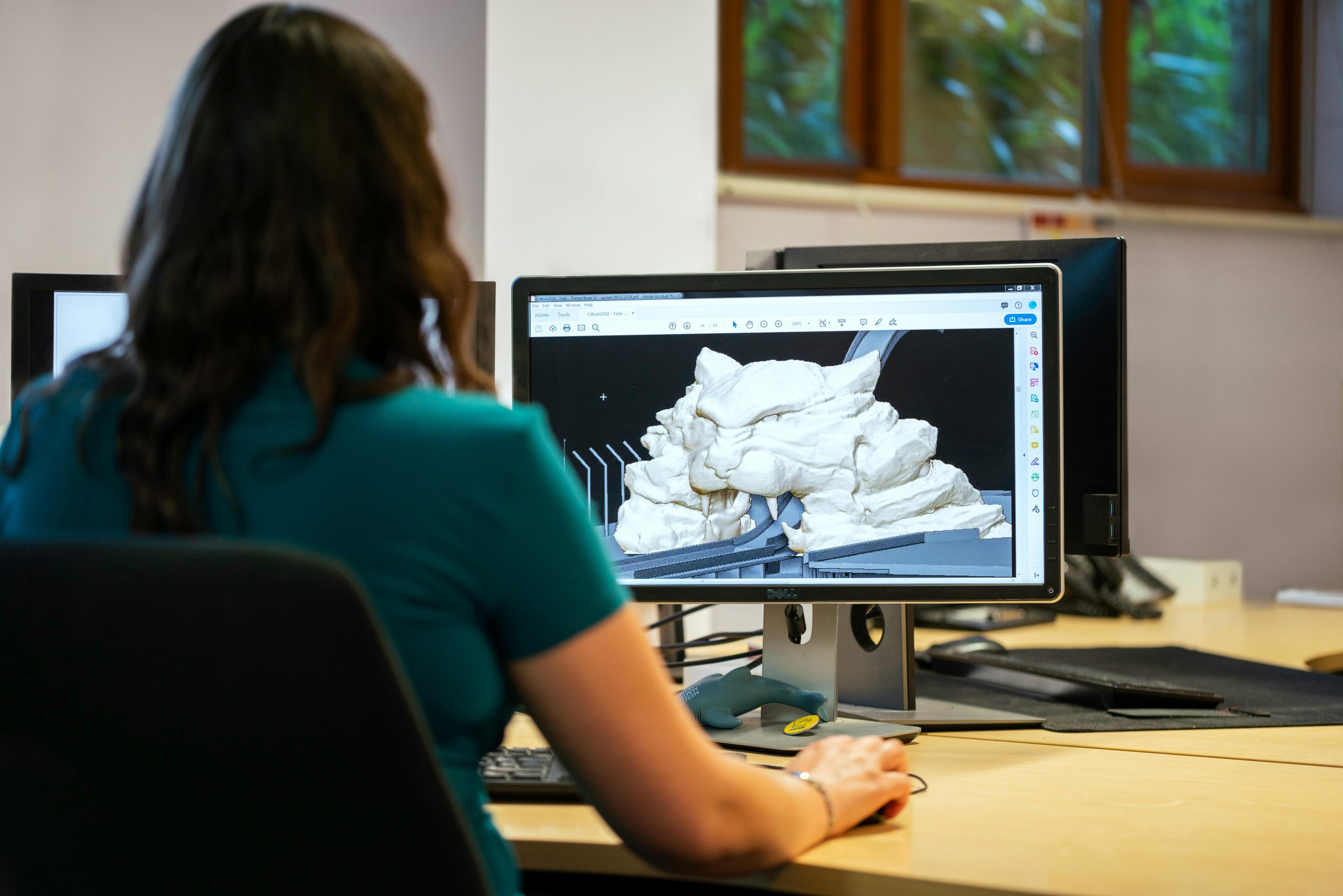
Website editing and management involves maintaining and updating a website’s content, design, and functionality to ensure it remains accurate, engaging, and fully operational. This includes tasks such as adding new pages, updating text or images, fixing broken links, managing plugins or integrations, and ensuring mobile and SEO compatibility.
Whether working on a company website, blog, or e-commerce platform, website management ensures that the site reflects your brand, delivers a positive user experience, and stays aligned with business goals.
Key responsibilities include:
-
Editing page content, images, and layout
-
Uploading blog posts, product listings, or news updates
-
Monitoring performance and fixing technical issues
-
Managing user access and website security
-
Ensuring consistency with branding and design standards
Regular website editing and management help keep your online presence fresh, professional, and functional — making a strong impression on visitors and supporting your digital strategy.
Role
Designer
Contribution
Winery – festivals