

Website development & design
-
Website Design – creating the visual look, layout, and style of your site to ensure it’s user-friendly and matches your brand.
-
Website Development – building the site with coding and functionality so it works smoothly across all devices.
-
Website Maintenance – ongoing updates, security checks, backups, and improvements to keep your site secure and running effectively.
Website Design
Website Design is the process of planning and creating the visual layout and style of a website. It focuses on how the site looks and feels to visitors – including the choice of colors, fonts, images, graphics, and overall structure. Good design makes a website attractive, easy to navigate, and aligned with your brand identity. It ensures that visitors not only enjoy the experience but also quickly find the information or services they’re looking for. In short, website design is about creating a professional, user-friendly look that leaves a lasting impression.
The Website Design Process
-
Research & Discovery
-
Understanding your brand, target audience, and goals.
-
Looking at competitors and inspiration to define the right style.
-
-
Planning
-
Creating a site structure (what pages are needed).
-
Deciding on layout ideas and user flow (how visitors will navigate).
-
-
Wireframing
-
Building simple outlines of each page (the “blueprint” of the website).
-
Showing placement of text, images, menus, and buttons before styling.
-
-
Visual Design
-
Choosing colors, fonts, and graphics that reflect your brand identity.
-
Designing mockups/prototypes to preview the final look and feel.
-
-
Feedback & Refinement
-
Reviewing the designs with you.
-
Making adjustments until the design is exactly right.
-
-
Handoff to Development
-
Once approved, the design is passed to the developer to be built into a functional website.
-
Role
Contribution
The EA Corner
Old Boys Pizza
Old Boys Pool Club
Trailers in Centurion
Sarel’s Services

Website Development
Website Development is the process of building and programming a website so that it functions properly and delivers a smooth user experience. It involves taking the approved website design and turning it into a fully working online platform through coding, software, and technical setup. This includes creating interactive features like contact forms, shopping carts, and booking systems; ensuring the site is responsive on all devices; optimizing speed and performance; and setting up security measures. In short, website development is the behind-the-scenes work that makes a website not just look good, but also work effectively and reliably.
The Website Development Process
-
Discovery & Planning
-
Understanding your business, goals, and target audience.
-
Creating a site map and planning what pages and features are needed.
-
-
Design
-
Developing the visual style, colors, fonts, and layout.
-
Creating mockups or prototypes to show how the website will look.
-
-
Development
-
Turning the design into a working website with coding and software.
-
Building functionality such as contact forms, e-commerce, booking systems, or blogs.
-
Ensuring the site is mobile-friendly, secure, and optimized for speed.
-
-
Content Integration
-
Adding your text, images, videos, and other content.
-
Making sure everything is presented clearly and professionally.
-
-
Testing & Review
-
Checking that all pages, links, forms, and features work properly.
-
Testing on different devices and browsers to ensure compatibility.
-
-
Launch
-
Publishing the website to your chosen domain.
-
Doing a final quality check before going live.
-
-
Maintenance & Updates
-
Regular updates, security checks, backups, and improvements.
-
Adding new content or features as your business grows.
-
Role
Presenting
Contribution
Winery
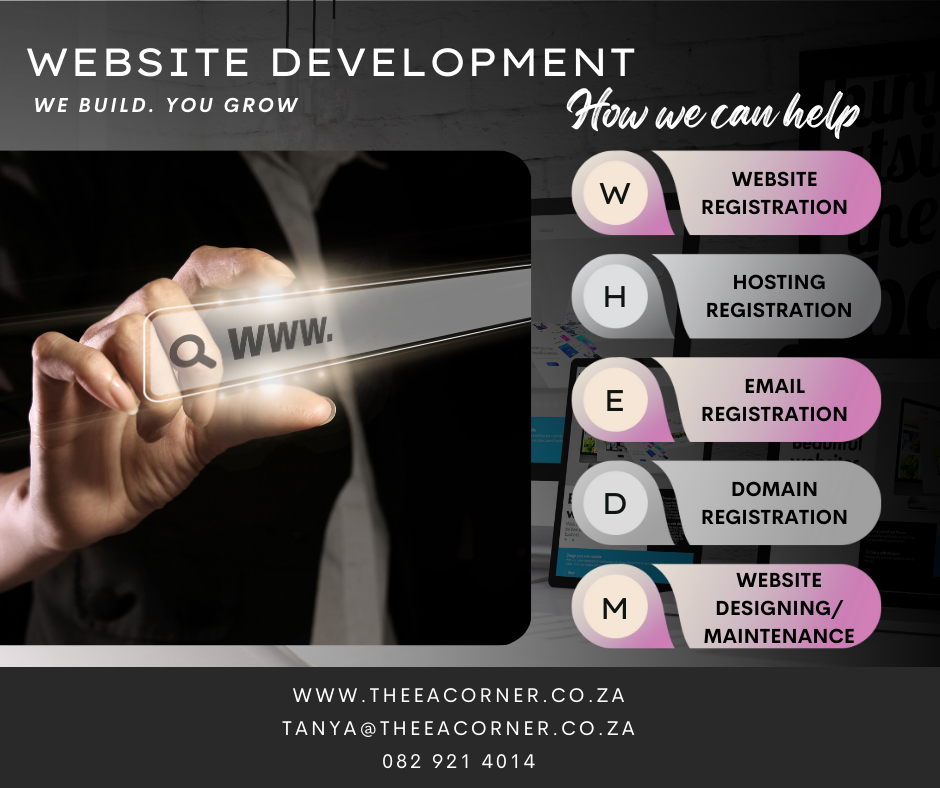
Website Maintenance
Website editing and management involves maintaining and updating a website’s content, design, and functionality to ensure it remains accurate, engaging, and fully operational. This includes tasks such as adding new pages, updating text or images, fixing broken links, managing plugins or integrations, and ensuring mobile and SEO compatibility.
Whether working on a company website, blog, or e-commerce platform, website management ensures that the site reflects your brand, delivers a positive user experience, and stays aligned with business goals.
Key responsibilities include:
-
Editing page content, images, and layout
-
Uploading blog posts, product listings, or news updates
-
Monitoring performance and fixing technical issues
-
Managing user access and website security
-
Ensuring consistency with branding and design standards
Regular website editing and management help keep your online presence fresh, professional, and functional — making a strong impression on visitors and supporting your digital strategy.
Role
Designer
Contribution
Winery – festivals